
The Ultimate Guide to Card Games: History, Types, and Winning Strategies
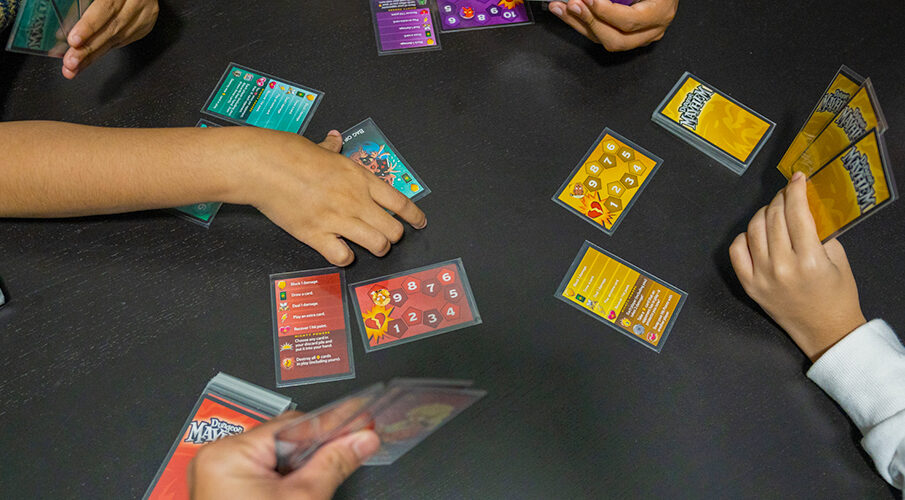
Card games have been a part of human culture for centuries, entertaining families, challenging friends, and even shaping competitive tournaments around the world. Whether played casually at the kitchen table or in high-stakes environments, the universal appeal of a card game lies in its mix of chance, skill, and social interaction. In this guide, we’ll dive deep into the fascinating world of card games, exploring their history, different types, strategies, and why they continue to captivate people across generations.
The Origins of Card Games
Card games trace their roots back to ancient China during the Tang Dynasty, around the 9th century. Early cards were made from paper and used more for storytelling or symbolic play rather than competitive games. By the 14th century, playing cards had spread to Europe, where designs evolved into the suits we recognize today: hearts, diamonds, clubs, and spades.
The standard 52-card deck became the foundation for countless games. As printing technology improved, playing cards became more accessible, and local cultures adapted them to create their own versions of a card game. This evolution gave rise to the diversity of card games enjoyed worldwide.
Why Card Games Remain Popular
Card games have a universal appeal because they combine several elements that resonate with players:
-
Accessibility: A deck of cards is inexpensive, portable, and easy to use anywhere.
-
Variety: From simple matching games to complex strategy-based systems, there’s something for everyone.
-
Social Interaction: They foster connection, conversation, and competition among players.
-
Skill and Chance: Some games rely heavily on luck, while others reward careful strategy and planning.
This blend of factors explains why a card game can be as entertaining for a child learning Go Fish as it is for a professional competing in a tournament.
Categories of Card Games
Card games are diverse, but they generally fall into a few main categories.
Trick-Taking Games
Trick-taking involves players competing to win rounds, or “tricks,” by playing the highest-ranking card of a suit. Examples include Bridge, Hearts, and Spades. These games emphasize teamwork, memory, and strategy.
Matching and Pairing Games
In these games, players match cards by rank, suit, or pattern. Go Fish and Rummy are well-known examples. These games are especially popular for families and casual gatherings.
Shedding Games
Here, the goal is to be the first to discard all cards from your hand. Games like Crazy Eights and Uno fall into this category. The rules are simple, yet the play can become highly competitive.
Gambling and Betting Games
Card games like Poker and Blackjack involve wagering, blending skill, probability, and psychological tactics. Players must read opponents, calculate odds, and manage risk effectively.
Solitaire and Patience Games
These are single-player card games designed for relaxation and mental stimulation. Solitaire has countless variations, with digital versions becoming especially popular.
Collectible and Modern Card Games
Modern collectible card games (CCGs) like Magic: The Gathering or digital adaptations focus on strategy, deck-building, and competition. They show how the concept of a card game continues to evolve in the digital age.
The Role of Strategy in Card Games
While chance plays a role in most card games, strategic thinking separates casual players from experienced ones. Mastering strategy involves:
-
Understanding Rules Thoroughly: Knowing the rules and variations gives you a clear advantage.
-
Card Counting and Probability: In games like Blackjack or Rummy, tracking cards can inform better decisions.
-
Bluffing and Psychology: In poker-style games, reading opponents and disguising your intentions is a key skill.
-
Adaptability: No two hands are the same. Adjusting your approach on the fly is vital.
Social and Cultural Importance of Card Games
Beyond entertainment, card games often carry cultural significance. In many regions, traditional games are tied to festivals, family gatherings, or local traditions. For instance:
-
In India, Teen Patti is a popular game during Diwali celebrations.
-
In the USA, Poker nights are as much about bonding as about winning.
-
In Europe, Bridge clubs are community hubs, combining intellectual challenge with social interaction.
Card games often become part of identity and tradition, passing down from one generation to the next.
Educational Benefits of Card Games
A card game is not only fun but also educational. Playing regularly helps develop:
-
Mathematical Thinking: Probability, sequencing, and mental arithmetic.
-
Memory Skills: Remembering played cards and predicting opponents’ moves.
-
Critical Thinking: Making decisions under uncertainty