Slot Machines: A Complete Guide to How They Work and Why They’re Popular

Slot machines have become one of the most recognized features of casinos, both in physical gaming floors and digital platforms. Known for their colorful designs, engaging sounds, and the thrill of chance, these games attract millions of players worldwide. Slot machines are more than just entertainment; they are built with fascinating mechanics, rich history, and modern innovations that keep them relevant in today’s gaming culture. Understanding how they function and what makes them so captivating can help players appreciate them beyond the spin of the reels.
The History of Slot Machines
The story of slot machines begins in the late 19th century. The first widely recognized model, the Liberty Bell, was created by Charles Fey in 1895 in San Francisco. It featured three reels and a simple payout system where matching three bells yielded the highest reward. This invention quickly gained popularity in bars, saloons, and entertainment venues.
In the early 20th century, slot machines evolved with fruit symbols like cherries, lemons, and plums, which are still iconic today. By the mid-1900s, electromechanical slots introduced new features such as multiple paylines and larger jackpots. The digital era of the 1970s and 1980s shifted machines to microprocessors, paving the way for video slots and online play. Today, slot machines combine advanced graphics, interactive themes, and mobile accessibility, making them a staple in global gaming.
How Slot Machines Work
At the heart of every slot machine is a Random Number Generator (RNG). This software ensures that every spin is independent and unpredictable. The RNG constantly cycles through thousands of numbers per second, even when the machine is not being played. When a player hits the spin button, the machine selects the current set of numbers, which correspond to the symbols on the reels.
Key mechanics include:
-
Reels and Symbols: Traditional slot machines use three to five reels, though modern versions may have more. Each reel is filled with symbols that align to create winning combinations.
-
Paylines: A payline is the pattern across the reels that determines payouts. While classic slots have a single payline, modern games often feature dozens or even hundreds.
-
Volatility: This measures the risk level of the slot. Low-volatility slots pay smaller, frequent wins, while high-volatility slots pay larger but less frequent jackpots.
-
Return to Player (RTP): Expressed as a percentage, RTP reflects how much a slot is programmed to return to players over time. A game with 96% RTP, for instance, theoretically gives back $96 for every $100 wagered.
Types of Slot Machines
Slot machines are diverse, catering to different player preferences. Some of the most common categories include:
Classic Slots
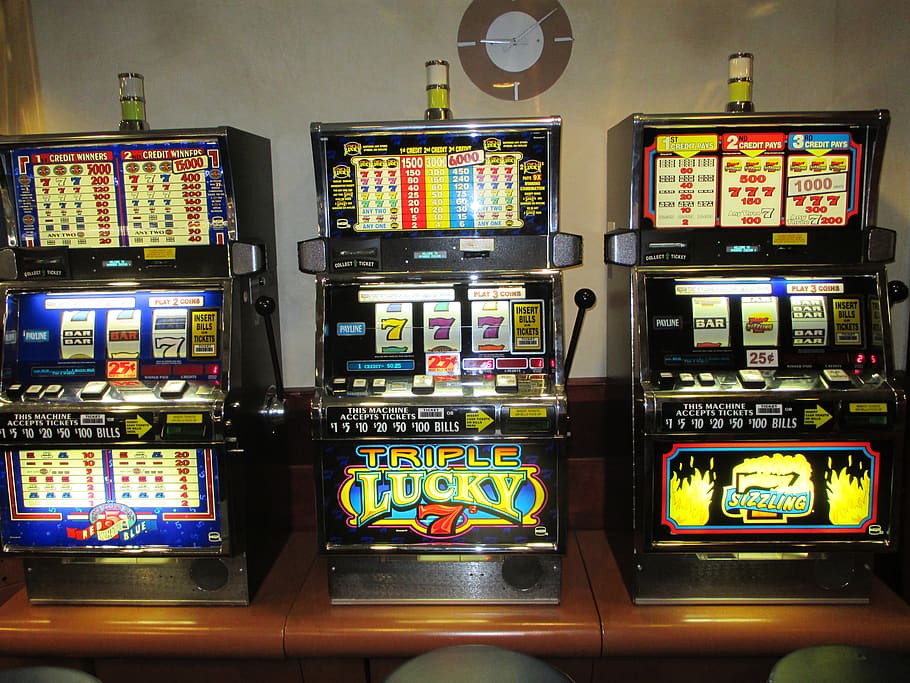
These mirror the original machines with three reels and straightforward symbols like bars, sevens, and fruits. They are perfect for players who prefer simplicity.
Video Slots
Introduced with computer technology, video slots use digital screens instead of physical reels. They often feature engaging storylines, animations, and special effects.
Progressive Slots
Progressive machines link together to form a collective jackpot that grows with each wager until someone wins. These often reach millions in prize money.
Multi-Payline Slots
These games allow bets across multiple lines, significantly increasing the chances of hitting a winning combination.
3D and Interactive Slots
Modern innovations include 3D visuals, immersive sound design, and interactive features where players can influence certain bonus rounds.
Why Slot Machines Are So Popular
The appeal of slot machines lies in a mix of psychology, design, and accessibility. Several factors contribute to their enduring success:
-
Ease of Play: Unlike card games or table games, slots require no strategy or prior knowledge. Players simply spin and wait for the result.
-
Visual and Audio Stimulation: Bright colors, flashing lights, and sound effects create an exciting atmosphere that keeps players engaged.
-
Potential for Big Wins: The possibility of hitting a jackpot, even with a small wager, is a major attraction.
-
Variety of Themes: From mythology and adventure to movies and pop culture, slots are designed to appeal to virtually every interest.
-
Availability: Whether in casinos or online, slot machines are accessible 24/7, allowing players to enjoy them at their convenience.
Responsible Play and Player Awareness
While slot machines provide entertainment, it is essential to approach them responsibly. Players should remember that outcomes are based on chance and that the house always holds an edge. To enjoy them safely:
-
Set a clear budget before playing.
-
Treat wins as bonuses rather than expectations.
-
Take breaks to avoid fatigue or overspending.
-
Use slot machines as entertainment, not income.
Innovations in Modern Slot Machines
The gaming industry constantly adapts to technology and player preferences. Recent innovations include:
-
Mobile Slots: Optimized for smartphones and tablets, making gaming portable.
-
Virtual Reality (VR) Slots: Offering immersive experiences that simulate being inside a casino or themed environment.
-
Skill-Based Features: Some slots now include elements where player interaction can slightly influence bonus outcomes.
-
Social Slots: Games that allow players to compete with friends or share achievements, blending gaming with community.
Common Myths About Slot Machines
Slot machines are often surrounded by misconceptions. Here are a few myths clarified:
-
Myth: Machines are due for a win. Reality: Each spin is independent, and past results have no influence on future outcomes.
-
Myth: Higher bets guarantee wins. Reality: Larger wagers may increase payout amounts but do not affect the odds of winning.
-
Myth: Playing at certain times increases chances. Reality: RNGs ensure results are random regardless of time or place.
FAQ About Slot Machines
Are slot machines fair to play?
Yes. Licensed slot machines use certified RNGs that ensure fairness, making outcomes unpredictable and unbiased.
What is the difference between slot machine RTP and volatility?
RTP shows the long-term payout percentage, while volatility indicates how frequently and how much a game may pay out. Both are important in choosing a slot that matches player preferences.
Can skill influence slot machine results?
Most slot machines rely solely on chance. However, modern variations may include mini-games where player decisions impact small bonuses.
How do progressive jackpots work?
A portion of every bet contributes to a growing prize pool across multiple linked machines. The jackpot continues to build until a player wins it.
Is there a strategy to winning at slots?
No strategy guarantees consistent wins since slots are random. However, choosing games with higher RTP and managing bankroll wisely can enhance overall enjoyment.
Are online slots the same as physical slot machines?
Yes, they operate on the same principles of RNG and payouts, though online versions may feature more creative themes and interactive elements.