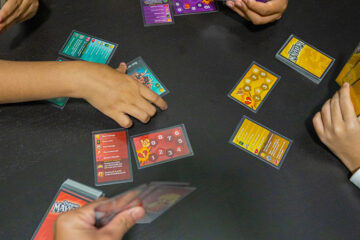
Mastering the World of Card Games: A Complete Guide
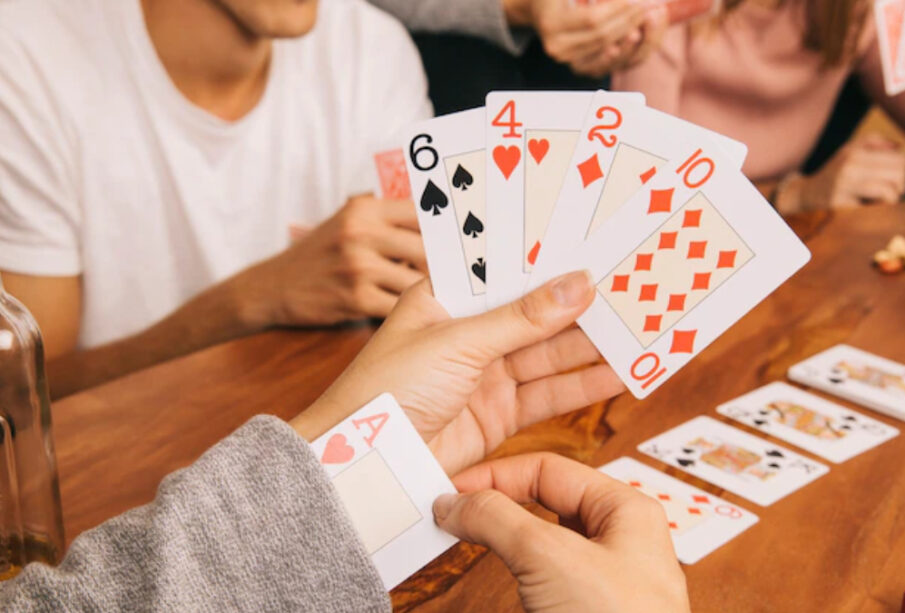
Card games have fascinated people for centuries, blending skill, chance, strategy, and social interaction. From family gatherings to professional tournaments, card games offer a unique form of entertainment that never goes out of style. Understanding the fundamentals, strategies, and variations of card games can elevate your playing experience and sharpen your analytical skills. In this article, we’ll dive into the history, categories, rules, and winning techniques that define card games, while highlighting their cultural importance and modern evolution.
The Origins of Card Games
Card games trace back over a thousand years, with roots believed to come from China during the Tang Dynasty. Paper money and dominoes influenced the creation of the earliest playing cards. These games spread across Asia, into the Middle East, and eventually reached Europe in the 14th century. Over time, decks evolved into the familiar suits we know today: hearts, diamonds, clubs, and spades. Each culture added its own flavor, rules, and symbolism, which gave rise to countless variations of card games.
Why Card Games Remain Popular
The enduring appeal of card games lies in their versatility. They can be casual or competitive, simple or complex, and played with two players or large groups. Some of the key reasons include:
-
Accessibility: A single deck of cards is inexpensive and portable.
-
Flexibility: Rules can be customized for age groups and skill levels.
-
Social Interaction: Card games create opportunities for bonding, storytelling, and fun.
-
Skill Development: Games sharpen memory, logic, and decision-making abilities.
Categories of Card Games
Card games can be divided into several categories, each offering unique experiences. Understanding these categories can help you choose the right game for any occasion.
Trick-Taking Games
These involve rounds where players try to win “tricks” by playing higher-value cards or following suit. Examples include Bridge, Hearts, and Spades.
Matching Games
The objective is to match cards based on rank or suit. Classic examples include Rummy and Go Fish.
Shedding Games
Players aim to discard all their cards as quickly as possible. Uno and Crazy Eights fall into this category.
Collecting Games
Players gather sets or sequences of cards to score points. Gin Rummy is a popular example.
Casino-Style Games
These focus on betting, probability, and chance, such as Poker or Blackjack.
Solitaire Games
Designed for solo play, solitaire games challenge patience, planning, and memory.
The Role of Strategy in Card Games
While chance plays a role, strategy is often what separates beginners from skilled players. Strategic thinking in card games involves anticipating opponents’ moves, managing resources, and adapting to changing situations.
Memory and Observation
A sharp memory allows players to track which cards have been played. Observing opponents’ behaviors and betting patterns also provides valuable insight.
Probability Awareness
Understanding odds can guide smarter decisions, especially in games like Poker where calculating risk is critical.
Bluffing and Deception
Some card games encourage bluffing to mislead opponents. Knowing when to bluff or call someone’s bluff can dramatically shift outcomes.
Patience and Timing
Winning often requires patience, waiting for the right hand or moment to act aggressively.
Card Game Etiquette
Good etiquette enhances the experience for everyone. Players should:
-
Shuffle and deal fairly.
-
Respect rules and avoid arguing.
-
Keep cards visible or concealed as required.
-
Avoid distractions and focus on the game.
How Card Games Enhance Life Skills
Playing card games provides more than just entertainment. They nurture important life skills:
-
Critical Thinking: Evaluating risks, rewards, and strategies.
-
Social Skills: Encouraging communication and collaboration.
-
Emotional Control: Handling wins and losses gracefully.
-
Numerical Literacy: Strengthening counting, probability, and logical reasoning.
Card Games in Modern Culture
Card games have embraced the digital age. Online platforms and mobile apps allow people to play worldwide, connecting communities across borders. Virtual tournaments and live-streamed competitions attract millions of viewers, making card games more global than ever before. Yet, the traditional appeal of sitting at a table with friends and a deck of cards continues to thrive.
Tips for Beginners
If you’re just starting, keep these practical tips in mind:
-
Begin with simple games like Go Fish or Crazy Eights.
-
Gradually explore more strategic games such as Poker or Bridge.
-
Learn basic terminology: suit, rank, hand, trick, and discard.
-
Watch experienced players to pick up techniques.
-
Practice regularly to improve consistency.
Advanced Strategies for Experienced Players
For seasoned players, mastering advanced techniques is key to staying ahead:
-
Use card counting in games where applicable to predict outcomes.
-
Develop a balanced playstyle that mixes caution and boldness.
-
Study game theory principles to understand long-term strategies.
-
Record and analyze your past games to identify strengths and weaknesses.
Card Game Variations Across the World
Each culture has unique versions of card games:
-
India: Teen Patti, a betting game popular during festivals.
-
Japan: Hanafuda, featuring flower-themed cards with deep symbolism.
-
Spain and Italy: Traditional decks with swords, cups, coins, and clubs.
-
France: Games like Piquet, influential in shaping modern decks.
These regional adaptations enrich the global card game tradition, showcasing creativity and cultural heritage.
Frequently Asked Questions
What is the easiest card game for beginners to learn?
Go Fish is often recommended because it has simple rules and is enjoyable for all ages.
How many types of card games exist?
There are thousands of card game variations worldwide, but they generally fall into categories like trick-taking, matching, shedding, collecting, and casino-style.
Can card games improve mental health?
Yes, card games can reduce stress, enhance focus, and improve memory, which benefits overall mental wellness.
Do I need special equipment to play card games?
Most games only require a standard deck of 52 cards, although some games use custom decks or additional items like chips or counters.
Are digital card games as effective as physical ones?
Digital card games provide convenience and access to online communities, but physical games often offer deeper social interaction.
What makes card games educational for children?
They teach counting, strategy, patience, and turn-taking while keeping learning fun and engaging.