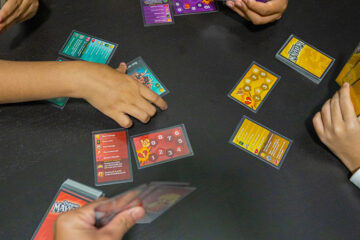
Card Game: A Timeless Source of Strategy, Fun, and Connection

Card games have been a part of human culture for centuries, offering a perfect blend of entertainment, strategy, and social interaction. Whether played casually with friends or competitively in tournaments, card games continue to adapt and thrive across generations.
What Is a Card Game?
A card game is any game that uses a deck of cards as its primary tool. Players follow a set of rules that determine how cards are dealt, played, and scored. While many games rely on luck, others emphasize skill, memory, probability, and psychological tactics.
Card games can be enjoyed by people of all ages, making them one of the most accessible forms of gaming worldwide.
A Brief History of Card Games
The origins of card games trace back over a thousand years, with early versions believed to have emerged in Asia before spreading to the Middle East and Europe. Over time, regional styles evolved, leading to the diverse card games we know today.
Key milestones include:
-
Early hand-painted cards used by nobility
-
The introduction of standardized decks
-
The rise of modern competitive and digital card games
Despite technological advances, traditional card games remain deeply popular.
Types of Card Games
Card games come in many forms, each offering a unique experience. Some of the most common categories include:
Trick-Taking Games
Players compete to win “tricks” or rounds.
-
Focus on timing and teamwork
-
Often played with partners
Matching and Shedding Games
The goal is to get rid of cards as quickly as possible.
-
Easy to learn
-
Popular for family settings
Gambling and Betting Games
Games where players wager points or money.
-
Require risk management
-
Often involve probability and bluffing
Solitaire and Single-Player Games
Designed for one player.
-
Great for relaxation
-
Emphasize planning and patience
Why Card Games Are Still Popular
Card games have endured because they offer more than just fun. They provide meaningful benefits, such as:
-
Mental stimulation through strategy and decision-making
-
Social bonding among friends and family
-
Portability, requiring minimal equipment
-
Adaptability, from casual play to professional competition
In a digital world, the simplicity of a deck of cards remains refreshing.
Card Games in the Digital Age
Today, card games are widely available in digital formats. Mobile apps and online platforms allow players to compete globally, practice strategies, and explore new variations.
Digital card games often feature:
-
Tutorials for beginners
-
Ranked competitive modes
-
Custom decks and rule variations
Even so, many players still prefer the tactile feel of physical cards.
How to Choose the Right Card Game
Selecting a card game depends on your situation and preferences. Consider the following:
-
Number of players available
-
Desired game length
-
Complexity level
-
Competitive vs. casual mood
Trying different games is the best way to discover what fits your group.
Tips for Beginners
If you’re new to card games, start simple and build confidence over time.
Helpful tips include:
-
Learn one game thoroughly before moving on
-
Play practice rounds without scoring
-
Observe experienced players
-
Focus on enjoying the process, not just winning
FAQs
What is the easiest card game for beginners?
Simple matching or shedding games are usually the easiest, as they involve minimal rules and quick rounds.
Are card games more about luck or skill?
It depends on the game. Some rely heavily on luck, while others reward strategy, memory, and decision-making.
Can card games improve cognitive skills?
Yes, many card games help improve concentration, memory, and problem-solving abilities.
How many players are needed for most card games?
Most card games support 2 to 6 players, though some can be played solo or in larger groups.
Do I need a special deck to play card games?
Many games use a standard 52-card deck, while others may require custom or themed cards.
Are card games suitable for children?
Absolutely. Many card games are designed specifically for children and help develop counting and social skills.
Why do people still play card games in the digital era?
Because card games offer face-to-face interaction, simplicity, and timeless enjoyment that digital alternatives can’t fully replace.